Kairen EcoSolution · Surabaya, Indonesia

Decarbonizing Industry with Indonesia’s Biomass Abundance

We convert palm oil agricultural waste into clean, high-value biomass fuel — a drop-in coal replacement for power plants, cement kilns, and heavy industry. No infrastructure changes required.

Long-term supply agreements with plantation partners in East Kalimantan
Photo: Nazarizal Mohammad / Unsplash

We started with a simple conviction: Indonesia’s biomass shouldn’t go to waste. Every community, every landscape, every resource has its own role to play. Kairen was founded on this belief — that agricultural abundance is not waste to be discarded, but energy waiting to be unlocked.

— The founding conviction behind Kairen EcoSolution

The Urgency

Industry faces a carbon reckoning — and needs solutions that work now

IPCC AR6, Working Group III — Chapter 11: Industry (2022)

Power plants, cement kilns, steel mills, and factories worldwide produce over 20 billion tonnes of CO₂ equivalent every year — that’s 34% of global greenhouse gas emissions when indirect electricity use is included. Most run on coal. Many face tightening carbon regulations, rising compliance costs, and reputational pressure.

These facilities have decades of operational life remaining. They can’t be shut down overnight. But they can switch fuel. Torrefied biomass is a drop-in coal replacement — compatible with existing handling, milling, and combustion systems. No overhaul required.

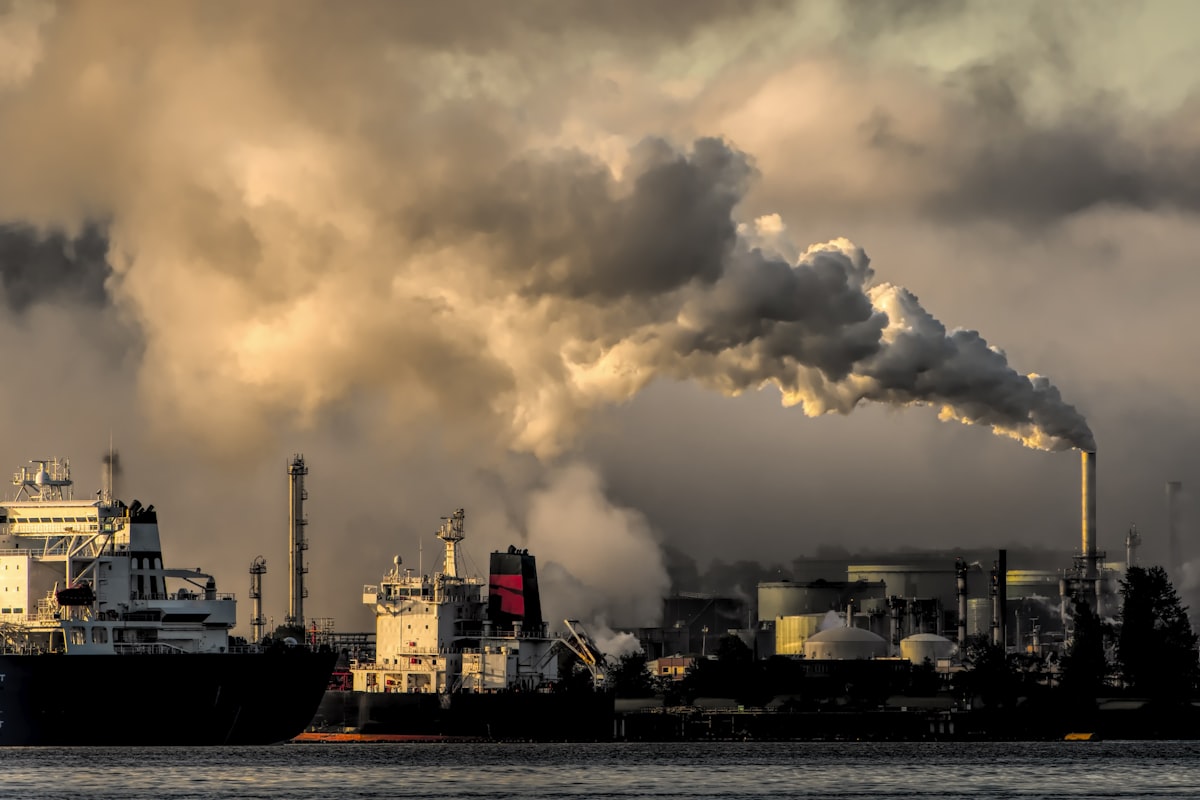
Industrial emissions — the problem we're solving
The industrial transition starts with fuel
The Opportunity

The world’s largest palm oil producer generates millions of tonnes of biomass residue. Most of it goes to waste.

For every tonne of palm oil produced, nearly four tonnes of organic residue are generated — shells, fibers, empty fruit bunches. Most is burned inefficiently, dumped, or left to decompose. Meanwhile, industries worldwide are racing to replace coal.

0
Tonnes of CPO produced annually in Indonesia
0
Tonnes of empty fruit bunches generated as waste
0
Tonnes of palm kernel shells available as fuel
0
Global wood pellet demand in 2024 (9% YoY growth)

Japan’s 2025 Strategic Energy Plan targets biomass at 5–6% of the national energy mix by 2030. The country operates 290 biomass power plants (7.3 GW installed), with 11 new plants scheduled for 2025 alone. South Korea imported approximately 4 million tonnes in 2023. Torrefied and carbonized biomass production is projected to grow 60–80% annually.

Sources: BPS Indonesia 2023; BioInnovAsia Tokyo 2025; Hawkins Wright; Japan METI 7th Strategic Energy Plan

What We Do

Three ways to unlock value from biomass waste

Each step extracts more value from the same raw material. We’re building this capability deliberately, one stage at a time.

Today — Foundation

Biomass Fuel Trading

We source and supply Palm Kernel Shells (PKS) from plantation partners in Kalimantan, backed by long-term supply agreements securing access to tens of thousands of tonnes annually. Our decade of experience in fuel logistics and bulk shipping means reliable supply chains from plantation gate to port of delivery.

Palm Kernel Shells Direct sourcing Bulk shipping Coal substitute
Next — Upvalue

Torrefied Biomass Pellets

Torrefaction thermally upgrades raw biomass at 270–320°C into hydrophobic, energy-dense bio-coal — a product with near-coal properties from a renewable, carbon-neutral source. Our pellets are engineered for co-firing in existing power plants without infrastructure modifications, commanding premium pricing in export markets.

21–23 MJ/kg Hydrophobic Drop-in coal replacement Export grade
Future — Advanced Carbon

High-Grade Bio-Carbon

Higher-temperature processing (350–650°C) produces bio-carbon with fixed carbon content exceeding 90% — a renewable substitute for fossil carbon. Applications include EAF steelmaking, silicon and ferroalloy production, permanent soil carbon sequestration, activated carbon for pharmaceuticals, and emerging use as SAF feedstock. In 2023, global biocarbon production reached 300,000 tonnes against 1.5 Mt capacity — indicating massive unmet demand.

Metallurgical carbon Carbon sequestration Pharmaceuticals SAF feedstock
The Advantage

Drop-in coal replacement — zero infrastructure changes

Your customer doesn’t need to spend money on new machines. Torrefied biomass pellets work with existing coal handling, milling, and combustion equipment.

Property Torrefied Pellets (Kairen) Raw Biomass Coal
Calorific Value 21–23 MJ/kg 8–15 MJ/kg 24–28 MJ/kg
Moisture Content < 5% 40–65% 5–10%
Hydrophobic ✓ Yes × No ✓ Yes
Grindability Coal-equivalent Poor Standard
Outdoor Storage ✓ Yes × Degrades ✓ Yes
Existing Infrastructure ✓ Compatible ∼ Requires modification ✓ Built for it
Carbon Emissions Up to 80% reduction Carbon neutral High (fossil)
Renewable Source ✓ Yes ✓ Yes × No
The Technology

Advanced thermal conversion

Torrefaction is a thermochemical process conducted at 270–320°C in an oxygen-free environment. It removes moisture, breaks down unstable volatile compounds, and concentrates carbon content — producing a uniform, energy-dense fuel with properties remarkably close to coal, from a fully renewable source.

Energy Self-Sufficient — process gases power the reactor and dryer

Our facility is designed to operate without external fuel input, using syngas generated during torrefaction to sustain heating operations. This closed energy loop is a key differentiator for sustainability-focused buyers and investors.

What Changes During Torrefaction
Energy density increases — Competitive with low-grade coal
Moisture drops dramatically — From 40–65% to below 5%
Becomes hydrophobic — Safe for outdoor storage and ocean shipping
Grindability improves — Uses existing coal milling equipment
Biological activity stops — No decomposition or self-heating
The Product

Torrefied biomass pellets

Engineered to meet the demands of industrial co-firing power plants, cement kilns, and heavy industry worldwide.

Calorific Value (HHV)21–23 MJ/kg
Moisture Content< 5%
Ash Content< 3%
Bulk Density750–850 kg/m³
HydrophobicYes
GrindabilityCoal-equivalent

Why it matters

  • Water-resistant — stored and shipped without degradation
  • Compatible with existing coal handling, milling, and combustion systems
  • Uniform quality with consistent specifications across batches
  • Carbon-neutral fuel counting toward emissions reduction targets
  • Eligible for power plants, cement, lime, and metallurgical industries
  • Up to 80% CO₂ reduction compared to fossil coal
Why Kairen

We run on expertise, experience, and the belief that this work matters

We’re engineers and operators who’ve spent years in energy, logistics, and sustainability. Working with Kairen isn’t a transaction — we build real relationships. The kind where you pick up the phone, not send a purchase order.

10+

Years in Indonesian Fuel Logistics

From fuel distribution across the archipelago to bulk vessel shipping, we know how fuel moves from source to boiler. Our supply chain experience is operational, not theoretical.

Est. 2023

Founded on Conviction, Not Trend

Kairen wasn’t a pivot. We saw Indonesia’s biomass abundance as a gift that should create value, not pollution. That conviction drives every decision — from feedstock sourcing to technology selection.

E. Kalimantan

Plantation Partnerships Built on Trust

Our relationships with mills and plantations aren’t contracts on paper. They’re built over years of shared meals, showing up when it matters, and delivering on every commitment we make.


Let’s explore what we can build together

Whether you’re an industrial buyer seeking coal alternatives, an investor exploring biomass infrastructure, or a plantation looking to monetize waste — we’re ready to talk.

or write directly to nico@kairenecosolution.com